
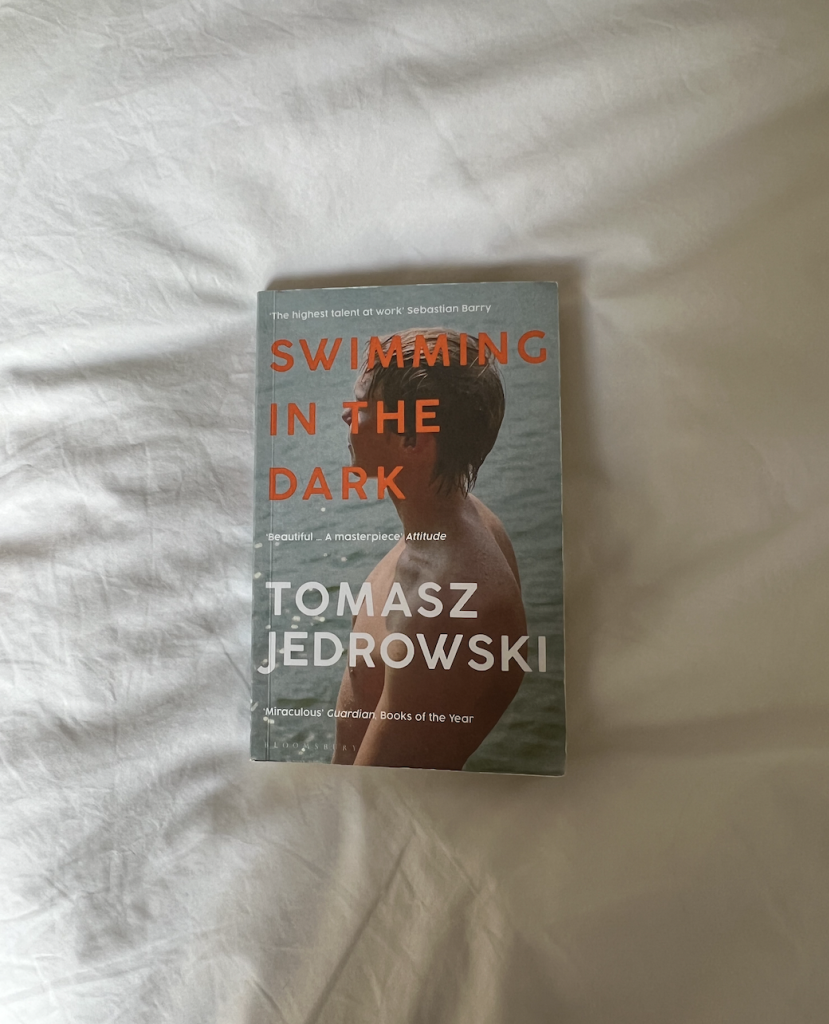
Two boys meet at an agricultural camp over the summer. Janusz is self-assured and popular; Ludwik is curious and weary. They fall for each other in the last years of communist rule in Poland
“Some things cannot be erased through silence. Some people, some events, make you lose your head. They’re like guillotines, cutting your life in two, the dead and the alive, the before and after.”
Jedrowski intersperses the whole narrative with a certain kind of nostalgia and sadness, because you know when you start reading that the relationship between these two characters doesn’t end well, but root for them anyway.
I think the novel expertly captures the intensity of first love and the act of remembering. The sorrow, the tenderness, and melancholy with which Ludwig remembers the past shot right through my heart. It actually reminded me of the physical feeling of heartache
“We stood for a moment, uncomfortable, mourning the missed opportunity. We searched for words, each one of us, trying to say something that meant anything. In the end, we just said goodbye. We said it casually, like we would see each other again soon or maybe like people who had never been much more than acquaintances. You two walked off, arm in arm, and I watched you, the burning cigarette still in my hand, the last thing you’d ever given me.
The writing is so beautiful and lyrical that I found myself copying entire paragraphs. It is a quiet book, short on grandiose ideas and passionate proclamations. It focuses on the smaller scope of individuals rather than the ideas, while still giving us more than a passing glance at the greater political events. And that’s where its strength lies for me — in the humanity of it.
“I realize now that we never talked much about our pasts. Maybe it would have changed something if we had, maybe we would have understood each other better and everything would have bene different. Who can say?”